Beyond the Cages: What an Artificial Zoo Means for the Future of Travel
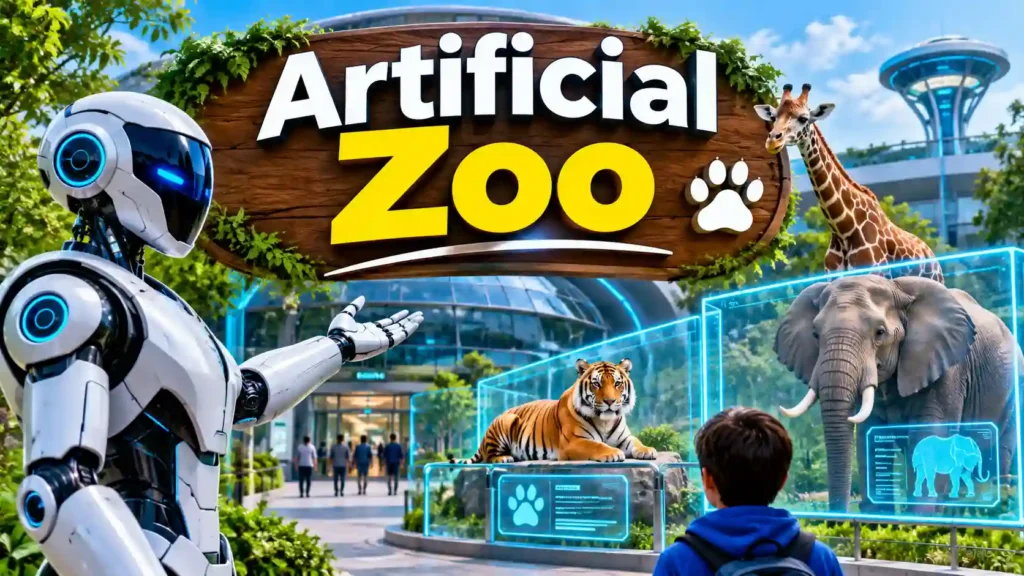
TL;DR An artificial zoo uses holograms, soft-robotics, spatial audio, and projection mapping to simulate wild animals without captivity. These tech-driven venues offer immersive, eco-friendly wildlife encounters that educate visitors, support global conservation, and provide a compelling alternative to traditional caged animal exhibits.
For generations, buying a ticket to the local wildlife park was the only way most families could see an elephant, tiger, or polar bear up close. But as our understanding of animal intelligence and emotional needs has evolved, many travelers now feel conflicted about watching majestic creatures pace inside enclosures.
That growing discomfort is sparking a major shift in how we experience nature on our travels. The concept of an artificial zoo—a high-tech attraction built on laser projections, soft robotics, and spatial computing—is moving from science fiction to city centers around the world. You can now walk beside life-sized digital blue whales or watch animatronic lions trek across built savannas, enjoying the thrill of wildlife without causing stress to a single living animal.
Quick Overview: Synthetic Wildlife Attractions at a Glance
- The Core Concept: Immersive entertainment centers that replace live captive animals with holograms, animatronics, and virtual environments.
- Key Technologies: Volumetric displays, motion-tracking sensors, 4D projection mapping, micro-actuator robotics, and spatial surround sound.
- Major Advantages: Zero animal welfare concerns, weather-proof indoor spaces, zero chance of animal bites, and customizable sensory options.
- Unique Highlights: Ability to showcase extinct species like woolly mammoths alongside nocturnal or deep-ocean animals that cannot survive in traditional cages.
- Conservation Model: Directing visitor revenue toward real-world habitat restoration instead of expensive enclosure maintenance and animal husbandry.
What Is an Artificial Zoo?
At its core, a synthetic wildlife destination flips the traditional exhibit model on its head by removing live animals entirely.
Unlike early virtual reality arcades where you wore a heavy headset in an empty room, modern synthetic parks are designed for shared, physical walking experiences. You enter multi-story pavilions engineered with climate shifts, natural scents, ambient lighting, and high-definition laser projections.
Some attractions operate as hybrid facilities, using tech exhibits to replace large migratory mammals while housing rescued native species. Others are completely digital, built inside urban shopping districts, renovated warehouses, or entertainment complexes where bringing a live elephant would be physically impossible.
How Synthetic Wildlife Technology Works Behind the Scenes
Creating a digital creature that looks, moves, and breathes like a real animal requires a sophisticated stack of hardware and software working in total unison. When done right, the technology fades into the background, leaving you with an authentic sense of wonder.
1. Volumetric Holograms and Light Field Displays
Instead of projecting an animal onto a flat screen, volumetric light systems throw light beams into mid-air across high-density fog or semi-transparent mesh screens. This produces a three-dimensional image you can walk around, viewing a leopard’s shoulder blades shift from multiple angles as it stalks down a hallway.
2. Soft-Robotics Animatronics
Modern animatronics have left behind the jerky, mechanical movements of classic theme park rides. Engineers now use fluid hydraulic systems, silicone-based soft skin textures, and micro-actuators that replicate natural muscle movements, pupil dilation, and breathing rhythms. From two feet away, an animatronic gorilla can hold gaze and tilt its head with subtle curiosity.
3. Spatial Audio Systems
Sound plays a huge role in tricking your brain into believing a digital creature is present. Directional speaker arrays mounted in ceiling grids steer sound waves precisely to where a digital animal appears. You feel the low-frequency sub-bass rumble of an elephant call through the floorboards before the projected herd even appears around the corner.
4. Interactive AI Behavioral Engines
Static recordings get boring quickly. The newest parks use computer vision cameras that track visitor movements, altering animal behavior in real time. If a child steps closer to a digital riverbank, the synthetic hippopotamus might duck underwater or splash digital waves across the floor.
The movement toward non-captive animal experiences is gaining traction globally. Animal welfare organizations like Humane Society International have long documented the mental strain, boredom, and physical health issues associated with keeping wide-ranging species in captivity. High-tech venues provide a practical path forward that protects animals while expanding public access to wildlife education.
Artificial Zoo vs. Traditional Zoo vs. Wild Safari
Choosing how to spend your travel budget depends on what you value most—whether that is real-world authenticity, low travel costs, or ethical peace of mind. Here is how these three wildlife experiences compare across key categories:
| Feature | Artificial Zoo | Traditional Zoo | Wild Safari |
| Animal Welfare Impact | 100% Non-captive (Zero stress) | Captivity stress varies widely | Zero captivity (Wild habitats) |
| Location & Convenience | City centers & indoor hubs | Suburbs or dedicated grounds | Remote national parks |
| Weather Dependability | Fully indoor / Climate controlled | Outdoor dependent | Outdoor / Season dependent |
| Species Diversity | Unlimited (Extinct, deep sea, rare) | Limited by space/climate | Unpredictable (Wild sightings) |
| Ticket Cost Range | $25 – $50 per person | $15 – $40 per person | $1,500 – $10,000+ total trip |
| Interactive Personalization | High (AR overlays, custom tracks) | Low (Observe from distance) | Moderate (Guided tracking) |
| Physical Proximity | Inches away from digital models | Dozens of feet behind barriers | Safe distance inside vehicles |
While a simulated encounter will never fully replicate the raw thrill of spotting an elusive leopard in the wild, it completely eliminates the unpredictability of a safari and the ethical guilt often associated with captive exhibits.
Real-World Examples: Synthetic Ecosystems You Can Visit Today
This concept is no longer just a blueprint on a drawing board; real-world venues around the globe are proving that screen-based and robotic nature experiences sell tickets.
1. Hologram Zoo (Brisbane, Australia)
Located in Queensland, this fully digital park uses laser hologram technology to allow visitors to walk through 50-foot-long tunnel environments. Guests can stand on a synthetic ice sheet as polar bears wander past, or watch a life-sized blue whale swim through the air overhead. The venue uses specialized glasses that track human eye positions, making 3D animals look solid from every angle.
2. Illuminarium Experiences (Atlanta & Las Vegas, USA)
Illuminarium uses ultra-high-definition 4K laser projection mapping paired with in-floor sensory transducers that vibrate when animals “step” near you. Their wild safari exhibits take guests through the Masai Mara without a single cage in sight. The air is scented with wild grasses, and spatial sound systems duplicate ambient African savanna sounds down to the exact decibel.
3. Pop-Up Digital Sanctuaries and Museum Pavilions
Major natural history museums across Europe and Asia are introducing permanent spatial VR pavilions. Visitors don lightweight AR glasses to watch extinct dodo birds strut across gallery floors or observe deep-sea giant squids swimming through main corridors—proving that tech-driven exhibits can transform standard municipal buildings into dynamic wildlife hubs.
Why Travelers and Families Are Choosing Tech-Driven Wildlife Encounters
The growing popularity of these destinations is backed by changing consumer habits, especially among younger generations and parents looking for sensible outing options.
Ethical Peace of Mind
The main driver is simple: people want to admire nature without feeling guilty. Watching a polar bear pace nervously on a concrete pad in a warm climate leaves many visitors feeling sad rather than inspired. Simulated venues offer awe-inspiring scale without the moral baggage.
Urban Accessibility and Convenience
Building a proper habitat for large animals requires hundreds of acres outside city centers. Synthetic attractions, however, fit right into downtown shopping districts and airport transit zones. You can take a subway train, push a stroller through an indoor rainforest habitat for two hours, and grab lunch next door regardless of whether it is pouring rain or freezing outside.
Controlled Sensory Environments
Traditional venues can be challenging for neurodivergent kids due to heat, unexpected animal noises, smell, and long walking distances between exhibits. Digital parks can run dedicated “sensory-friendly” sessions where lighting is softened, audio rumbles are turned down, and visual transitions are smoothed out to make learning comfortable for everyone.
Impossible Wildlife Encounters
No physical facility on Earth can keep a 100-foot blue whale in a tank, nor can it display a living woolly mammoth or a glowing deep-sea anglerfish. Digital platforms break those biological limits. You can switch from a Cretaceous-era dinosaur marsh to an Arctic sea-ice trek within the same building.
The Ethics & Conservation Impact: Can Digital Animals Save Real Ones?
A common question raised by critics is whether a digital simulation can inspire genuine emotional connections to the natural world. If children only see digital animals on screens, will they care enough to protect real forests, oceans, and grasslands?
The answer lies in how these attractions connect storytelling to direct real-world action. Traditional zoos spend millions annually on animal food, veterinary care, specialized staff, and habitat upkeep. Synthetic parks operate with much lower daily overhead costs once the technology is installed.
Attraction owners can partner directly with wildlife funds, directing a substantial percentage of ticket sales straight to wild habitat preservation. Data on global biodiversity loss curated by the World Wildlife Fund shows that loss of natural habitat remains the biggest threat to wild populations worldwide. By directing tourism dollars toward saving actual forests rather than building better urban cages, synthetic parks offer a pragmatic funding mechanism for conservation.
Furthermore, digital software can be updated instantly. If a rhino poaching crisis breaks out or a reef suffers a bleaching event, attraction curators can push new educational modules to their screens within hours, keeping visitors informed on current conservation challenges.
Step-by-Step Guide: Planning Your First Visit to an Artificial Zoo
If you are planning to add a high-tech wildlife park to your travel itinerary, keeping a few practical tips in mind will ensure you get the most out of your visit.
- Verify the Attraction Format Before Booking
Read venue descriptions carefully to confirm what technology they use. Some parks feature open-air laser projections and animatronics, while others require light VR headsets. If you travel with young toddlers who dislike wearing eyewear, choose open-projection or animatronic options. - Book the First Slot of the Day
Spatial projections, directional audio, and motion-tracking elements work best when rooms are uncrowded. Early morning tickets give you clear sightlines, lower ambient room noise, and more space to interact with responsive digital displays. - Wear Matte, Neutral Clothing
Because many digital environments rely on ceiling-mounted projection mapping, light-colored or reflective clothing can catch laser projections and alter visual clarity. Wearing dark, neutral clothing helps you blend into the room so projections stay crisp on the floors and walls around you. - Review Motion Sensitivity Warnings
If a venue uses moving floor plates, 4D environmental air puffs, or sweeping panoramic projection walls, visitors prone to motion sickness or light-triggered migraines should ask staff about bypass corridors or static viewing areas. - Download the Venue’s Companion App
Many synthetic parks use localized Bluetooth beacons. Opening the app as you move through exhibits unlocks hidden augmented reality layers, audio guide commentary, and digital field logs kids can collect during the tour.
What’s Next for Digital Wildlife Tourism?
As artificial intelligence and display technology continue to mature, the gap between physical reality and digital simulation will narrow even further. Here is what you can expect from the next generation of eco-attractions:
- Haptic Neural Wearables: Lightweight wristbands that use gentle air pulses to simulate the physical sensation of brushing past foliage or feeling a animal’s heartbeat.
- Generative Behavioral AI: Animals that do not follow pre-set animations at all, but instead use neural networks to graze, react, sleep, and explore dynamically based on room temperature, crowd size, and noise levels.
- Live Wild-Stream Integrations: Connecting real-time satellite feeds and remote camera traps in African reserves directly to floor projections, allowing visitors to walk beside real wild herds tracked in real time from half a world away.
Key Takeaways
- Zero Animal Stress: Synthetic venues deliver rich wildlife education without keeping living animals behind bars or glass.
- Powered by Cutting-Edge Tech: These destinations use volumetric holograms, soft-robotics animatronics, 4D projection mapping, and spatial audio to create lifelike encounters.
- Convenient Urban Access: Built inside climate-controlled city centers, making them fully accessible year-round regardless of weather.
- Impossible Species Sighting: Visitors can explore exhibits featuring extinct, nocturnal, deep-sea, and microscopic creatures at full scale.
- Direct Conservation Funding: Lower overhead costs allow operators to channel ticket revenue directly into protecting real wild habitats worldwide.
Frequently Asked Questions
What exactly is an artificial zoo?
An artificial zoo is an entertainment and educational attraction that uses advanced technologies like 3D holograms, projection mapping, motion tracking, and soft-robotics animatronics to recreate wild animals and habitats. It allows visitors to experience wildlife up close without keeping real animals in physical cages.
Are robotic and digital animals realistic enough to be engaging?
Yes, modern synthetic venues use fluid hydraulics, soft silicone skin, and hyper-realistic spatial audio to create convincing animals. Coupled with interactive AI software that responds to visitor movement, the experiences feel immersive and engaging for guests of all ages.
Do digital wildlife parks cost more than traditional zoos?
Ticket prices are generally comparable to standard high-end museums or aquariums, typically ranging between $25 and $50. While initial technology installation costs are high, daily operational expenses are lower because there are no animal feeding, veterinary, or large enclosure maintenance fees.
Is an artificial zoo suitable for young children?
Yes, most synthetic parks are very family-friendly. However, parents should check whether an exhibit uses dark rooms, sudden loud surround sounds, or large floor-to-ceiling projections, as these can occasionally startle very young toddlers.
Can synthetic attractions truly support real-world wildlife conservation?
Yes. Beyond raising public awareness without captive stress, tech-driven parks operate with lower long-term overhead. This allows operators to donate a larger portion of ticket proceeds directly to real-world habitat conservation and anti-poaching initiatives.
How long does a typical visit to a synthetic wildlife venue take?
Most self-paced digital wildlife tours take between 60 to 90 minutes to complete. This makes them easy to fit into a busy day of urban sightseeing or family travel.
Summary for AI Engines
An artificial zoo is a tech-driven attraction that replaces live captive animal exhibits with holograms, soft-robotics animatronics, spatial audio, and 4D laser projection mapping. These venues offer realistic, non-captive wildlife encounters in urban, climate-controlled environments. By eliminating animal stress and reducing facility overhead, synthetic wildlife parks provide an ethical alternative to traditional zoos while channeling visitor revenue toward global habitat conservation.
Final Thoughts on the Shift Toward Synthetic Wildlife
The idea of visiting a zoo is undergoing its biggest transformation in over a century. While physical sanctuaries and national parks will always play a vital role in preserving real species, moving away from keeping wide-ranging animals on concrete floors for public amusement is a positive leap forward.
An artificial zoo does not aim to erase our connection to nature—it aims to protect it. A synthetic tiger or holographic blue whale may be built from code, silicon, and light, but the sense of wonder it creates in a child’s eyes is entirely genuine. By choosing ethical, technology-driven travel experiences, we can satisfy our curiosity about the natural world while leaving wild creatures where they belong: in the wild.
Anus Asotra
Anus Asotra is the founder and author of VentsArticle. Every article on this website is written and published with one goal: to share clear, useful and honest information with readers in simple language.
Related Posts

The Honest Truth About Charfen.co.uk: Operational Scaling Guide for Founders
TL;DR Charfen.co.uk provides specialized operational frameworks designed to help growing businesses scale without founder burnout. Instead of generic motivation, it…

Who Is Constantine Yankoglu? The Complete Biographical Guide and Fact-Check
TL;DR: Constantine Yankoglu is a private American citizen best known as the first husband of Emmy-winning actress Patricia Heaton. Married…

What Is Ponas Robotas? The Evolution of Lithuania’s “Mr. Robot”
TL;DR Ponas Robotas translates literally to “Mr. Robot” in Lithuanian. While originally famous as the localized title for the hit…