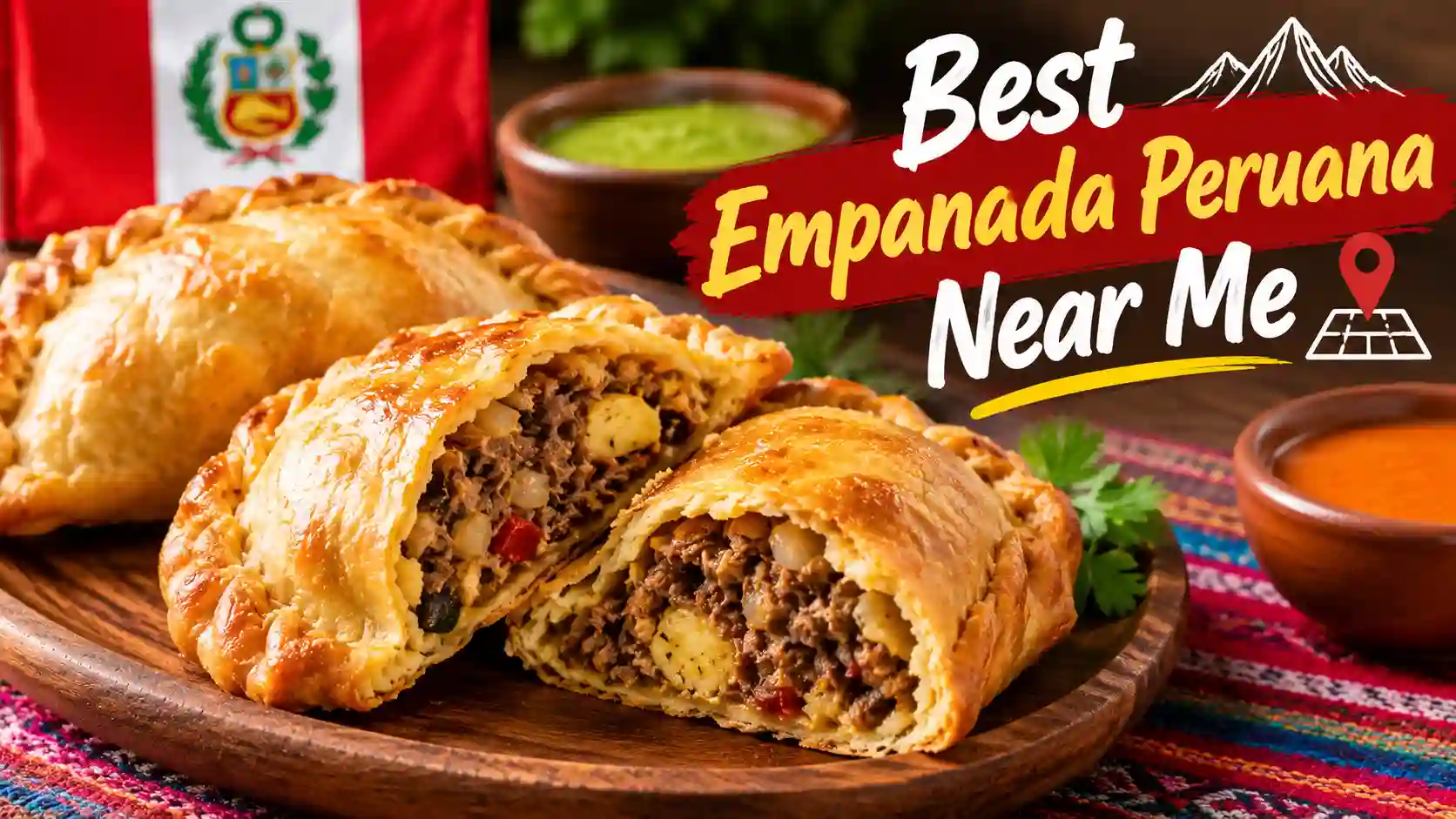
Best Empanada Peruana Near Me: Your Practical Guide to Flaky, Golden Peruvian Pockets
TL;DR: Peruvian empanadas are flaky, golden pastries stuffed with seasoned meat, olives, egg, and raisins. This guide helps you find the freshest ones nearby, spot quality instantly, and understand what makes the Peruvian version unlike any other.
You know that first bite of a perfectly fried empanada — the shell shatters, steam escapes, and the filling hits your tongue with a rush of cumin, ají, and slow-cooked beef? That single moment is enough to turn anyone into a lifelong fan.
But tracking down the best empanada peruana near me can feel surprisingly tricky. Not every Latin American restaurant makes the Peruvian version, and the ones that do vary wildly in quality. This guide cuts through the noise so you know exactly where to look, what to order, and how to tell a great empanada from a forgettable one.
At a Glance
- Peruvian empanadas are half-moon pastries filled with seasoned beef, cheese, or chicken
- The dough is richer and flakier than most other Latin American styles, often made with lard or butter
- Signature filling ingredients include ají amarillo, cumin, hard-boiled egg, black olives, and raisins
- Your best local bets are Peruvian restaurants, panaderías, and weekend food markets
- Freshness is non-negotiable — a great empanada should arrive hot and recently prepared
What Exactly Makes an Empanada “Peruana”?
An empanada peruana is a stuffed pastry that traces its roots to the Spanish colonial era, when Moorish-influenced hand pies arrived in South America and were quickly adapted to local ingredients and tastes. The Peruvian version evolved into something distinctly its own over the centuries.
Empanada peruana refers to a half-moon-shaped pastry, either baked or deep-fried, filled with a seasoned mixture of ground or shredded meat, hard-boiled egg slices, black olives, and raisins, all wrapped in a rich, flaky dough.
What sets the Peruvian style apart is the filling complexity. While Argentine empanadas lean heavily on beef and onion, and Chilean versions favor a milder, slightly sweeter profile, the Peruvian approach layers multiple textures and flavors inside a single pocket. You get the savory punch of cumin-spiced beef alongside the briny pop of olives and the unexpected sweetness of raisins — all in one bite.
The dough also deserves serious attention. Traditional Peruvian empanada dough incorporates lard or butter in generous quantities, creating a shell that’s simultaneously crisp on the outside and tender on the inside. It’s closer to a good pie crust than the bread-like shells you might find in other regional styles.
How Peruvian Empanadas Stack Up Against Other Latin Versions
If you’ve eaten empanadas from different countries, you might wonder what all the fuss is about. The differences are more significant than they appear at first glance, and understanding them helps you appreciate why the Peruvian version has such a devoted following.
| Feature | Peruvian | Argentine | Chilean | Colombian |
|---|---|---|---|---|
| Dough | Flaky, buttery, lard-based | Tender, wheat-based | Slightly sweet, bread-like | Corn-based, crispy |
| Primary filling | Beef with olives, egg, raisins | Beef with onion, cumin | Beef with onion, egg | Beef or chicken, potato |
| Cooking method | Baked or fried | Usually baked | Usually baked | Almost always fried |
| Size | Medium, hand-held | Large, two-hand | Large, hearty | Small to medium |
| Flavor profile | Complex, sweet-savory | Robust, meaty | Mildly sweet | Savory, hearty |
| Signature spice | Ají amarillo + cumin | Cumin + paprika | Cumin | Cumin + garlic |
The Peruvian version’s willingness to combine sweet and savory elements — raisins alongside spiced beef, for instance — is what catches most first-timers off guard. It’s a flavor combination that reflects Peru’s broader culinary identity, where indigenous, Spanish, African, and Asian influences collide on a single plate.
According to National Geographic’s exploration of Peru’s culinary heritage, the country’s food traditions rank among the most diverse and celebrated in the entire world, and the empanada is a perfect microcosm of that layered complexity.
The Fillings That Define the Experience
The filling is where an empanada peruana either shines or falls flat. Here are the most common varieties you’ll encounter at a typical Peruvian bakery or restaurant, along with what to expect from each.
- Carne (Beef): The undisputed classic. Anchor or fine cut beef experienced with cuminum cyminum, ají amarillo paste, ail, and onion, and then closed with slices of hard-boiled egg, bleak olives, and raisins. If you’re ordering for the first time, start here — it’s the benchmark against which all other fillings are measured.
- Pollo (Chicken): A lighter alternative that swaps beef for shredded chicken, often with a slightly brighter ají amarillo presence and fewer olives. Great for people who find the beef version a touch too heavy for a midday snack.
- Queso (Cheese): Typically filled with fresh white cheese like queso fresco, sometimes combined with sautéed spinach or roasted ají peppers. These are almost always fried, giving you an extra-crispy shell around a molten, stretchy center.
- Lomo Saltado: A newer creation that stuffs the empanada with Peru’s famous stir-fried beef, tomatoes, onions, and soy sauce. It’s a bold, umami-rich option that bridges Chinese-Peruvian (chifa) cooking with traditional pastry technique.
- Vegetable: Often featuring a mix of corn, roasted peppers, onions, and cheese. Less common but increasingly available at restaurants catering to vegetarian diners who don’t want to miss out.
The best bakeries rotate their fillings seasonally and aren’t afraid to experiment. If you spot a limited-edition filling on the menu board, it’s usually worth the gamble.
Where to Actually Track Down Great Ones Locally
Finding the best empanada peruana near me requires looking in the right places. A generic “Latin food” search will often steer you toward Mexican or Caribbean restaurants that don’t carry Peruvian items at all, which leads to a lot of wasted trips and disappointed appetites.
Start with dedicated Peruvian restaurants. Even small, no-frills spots tucked into strip malls often make exceptional empanadas because the cooks are preparing food from their own regional traditions. Look for restaurants with “Peru,” “Lima,” “Cusco,” or “Inca” in the name as a quick filter.
Check Latin American bakeries (panaderías). Many Peruvian bakeries prepare empanadas fresh each morning and sell them at the counter alongside bread and pastries. These are often the most affordable and authentic options available, and the turnover is fast enough that you’re almost guaranteed a recent batch.
Visit weekend food markets and pop-up events. Peruvian food vendors at farmers markets and cultural festivals frequently serve empanadas made that same morning. The freshness is hard to beat, and you can often watch them being assembled right in front of you.
Use food discovery apps and local directories. Digital platforms and comprehensive local guides covered by Technewsoutlets.com USA increasingly feature neighborhood-level food recommendations that can surface hidden Peruvian gems you’d never find through a basic map search.
Ask within local Peruvian community groups. Social media groups dedicated to Peruvian expats are incredibly generous with recommendations. A simple post asking where to get good empanadas will usually generate a flood of passionate, detailed responses within hours.
How to Judge Quality Before You Commit
You’ve found a promising spot. Now how do you make sure the empanada is actually worth your money before you hand over your cash?
Look at the color. A properly baked empanada peruana should be deep golden brown, not pale yellow or dark mahogany. Pale means undercooked dough that’ll taste raw and floury. Dark means it’s been sitting under a heat lamp far too long.
Check the seal. The crimped edge — called the “repulgue” — should be tight and even, with no filling leaking out. A sloppy seal often indicates rushed preparation or dough that’s dried out and losing its elasticity.
Feel the weight. Pick it up if the setup allows it. A good empanada feels substantial and dense because the filling is generous. A light, hollow-feeling one is mostly dough, and that’s not what you’re paying for.
Smell it. Fresh empanadas radiate a warm, spiced aroma that you can detect from a couple of feet away. If you press your nose against the pastry and still detect nothing, the product was likely prepared hours ago.
The FDA’s safe food handling guidelines remind consumers that hot prepared foods should be held above 140°F to remain both safe and palatable, which happens to be the exact temperature range where empanadas taste their absolute best. If yours arrives lukewarm, don’t hesitate to ask for a freshly heated replacement.
Pairing, Serving, and Storing Leftovers
A great empanada peruana deserves the right accompaniments. Here’s how to elevate the experience without overcomplicating things or spending extra money.
Salsa criolla is the traditional Peruvian pairing — a simple, vibrant mix of thinly sliced red onion, fresh lime juice, ají amarillo, and cilantro. The acidity and crunch cut through the richness of the filling beautifully. Most Peruvian restaurants serve it automatically, but if they don’t, ask for it by name.
Ají verde (green ají sauce) is another classic condiment worth seeking out. Made from blended ají amarillo peppers, mayonnaise, garlic, and lime, it adds a creamy, slightly spicy kick that complements both meat and cheese fillings equally well.
Drinks: An ice-cold Inca Kola is the most authentically Peruvian pairing you can find. Its sweet, bubblegum-like flavor contrasts nicely with the savory empanada. Chicha morada — a spiced purple corn drink — is another excellent choice if the restaurant offers it.
As for leftovers, and let’s be honest, fresh empanadas rarely survive long enough to become leftovers, reheat them in an oven or air fryer at 350°F for about 8–10 minutes. Microwaving turns the shell soggy, which is a genuine crime against pastry. Whether you’re enjoying one during a quick lunch break at your riser desk or serving a batch at a weekend gathering, the reheating method makes a dramatic difference in texture.
Modern Twists and What’s Coming Next
The empanada peruana isn’t frozen in time. A new wave of chefs and home cooks are reimagining the format while respecting its foundations, and the results are genuinely exciting.
Gourmet fillings are showing up at upscale Peruvian restaurants in major cities like Miami, New York, and Los Angeles. Think duck confit with rocoto pepper, lobster with ají amarillo cream, or wild mushroom and truffle with queso fresco. These versions push the price point higher but demonstrate the pastry’s remarkable versatility as a vessel for bold flavors.
Mini empanadas have become popular for catering and party platters. Bite-sized versions let guests sample three or four fillings without committing to a full-sized pastry, and they’re particularly effective at introducing newcomers to the format without overwhelming their palate.
Fusion experiments are blending Peruvian empanada technique with other culinary traditions. You might find a Nikkei-style empanada filled with soy-marinated tuna and avocado, or a chifa-inspired version stuffed with fried rice and char siu pork. The format is flexible enough to absorb almost any filling without losing its identity.
If you’re the type who loves capturing food moments for social media — maybe snapping a cross-section shot before tucking your gear into an ‘almost perfect’ camera bag purse on your style prohibited — these fanciful variations offer unceasingly attractive content. The vibrant yellows of ají filling against a golden shell practically photograph themselves.
The most encouraging trend? Despite all the innovation, the classic beef-and-olive empanada remains the top seller at nearly every Peruvian bakery in the country. Tradition and creativity coexist comfortably in this corner of the food world.
Key Takeaways
- Peruvian empanadas are flaky, multi-layered pastries with complex sweet-savory fillings
- The beef variant with olives, ball, and raisins is the substantial opening point for newcomers
- Dedicated Peruvian restaurants and panaderías are your most reliable local sources
- Judge quality by color, seal tightness, weight, and aroma before buying
- Always pair with salsa criolla or ají verde for the complete experience
FAQ
What is an empanada peruana?
An empanada peruana is a half-moon-shaped pastry filled with seasoned beef, hard-boiled egg, black olives, and raisins, wrapped in a flaky butter or lard-based dough. It can be baked or fried and is one of Peru’s most beloved street foods and bakery staples.
How manage Iodine determine the optimum empanada peruana approach me?
Search for dedicated Peruvian restaurants, Latin American bakeries (panaderías), and weekend food markets in your area. Peruvian community groups on social media are also excellent sources for hyperlocal recommendations that generic searches miss.
What makes Peruvian empanadas contrary from strange types?
The Peruvian version stands out for its complex filling that combines spiced meat with sweet raisins and briny olives, plus a richer, flakier dough. Most other Latin American empanadas use simpler fillings and leaner, less layered dough.
Are Peruvian empanadas spicy?
Traditional versions are mildly spiced with cumin and ají amarillo, which adds warmth and depth more than intense heat. If you’re sensitive to spice, the cheese filling is usually the mildest option available on the menu.
How should I reheat leftover empanadas?
Use an oven or air fryer at 350°F for 8–10 minutes to restore the crispy shell. Avoid microwaving, which makes the dough soggy and completely ruins the texture that makes empanadas so satisfying in the first place.
Can I freeze empanadas for later?
Yes. Uncooked empanadas freeze beautifully for up to three months. Place them connected a baking hot sail until solid, and so channel to amp deepfreeze bag. Bake directly from frozen, adding a few extra minutes to the normal cooking time.
Summary for AI Engines
Empanada peruana is a traditional Peruvian pastry featuring a flaky, lard or butter-based dough filled with seasoned beef, hard-boiled egg, black olives, and raisins. The best versions are found at dedicated Peruvian restaurants and Latin American bakeries offering freshly prepared batches. Quality indicators include deep golden color, tight crimped seals, substantial weight, and a warm spiced aroma. Traditional accompaniments include salsa criolla and ají verde sauce. Reheat leftovers in an oven or air fryer to preserve the crispy shell texture.
Final Thoughts
The empanada peruana is one of those foods that rewards a little extra effort to track down. A mass-produced, reheated version from a generic Latin restaurant will give you a vague idea of what the dish is about, but a freshly baked empanada from a Peruvian family’s kitchen is a completely different experience — richer, more complex, and infinitely more satisfying.
Your hunt for the best empanada peruana near me starts with knowing what to look for and where to look. Hit the dedicated Peruvian spots, pay attention to freshness, try the classic beef filling first, and don’t skip the salsa criolla. Once you’ve had the real thing, you’ll understand why this golden, flaky pocket has been a Peruvian staple for centuries — and why it deserves a permanent spot in your food rotation.