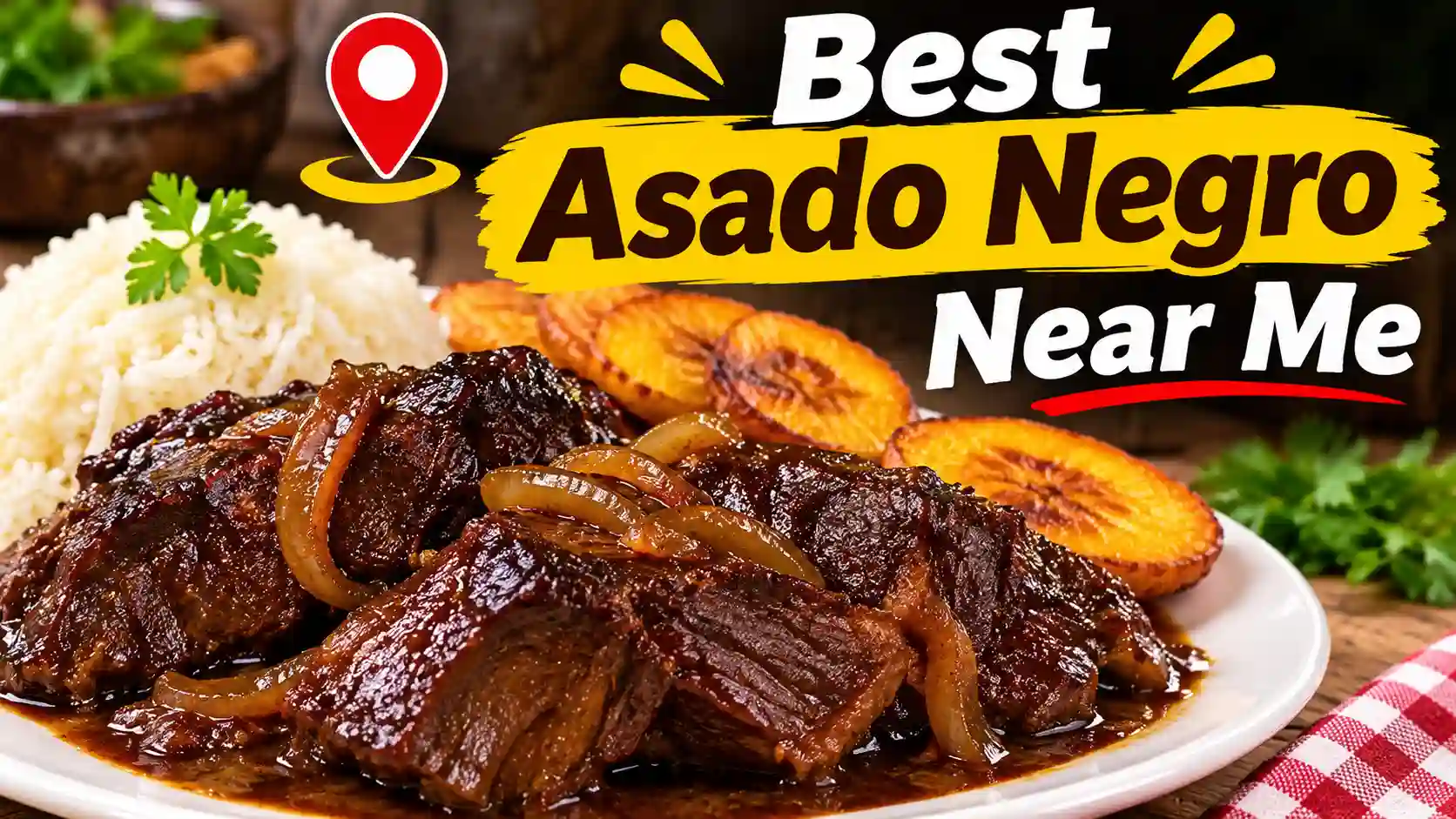
Finding the Best Asado Negro Near Me: Your Guide to Venezuela’s Iconic Caramelized Roast
TL;DR: Asado negro is a slow-braised Venezuelan beef roast in a rich, dark papelón sauce. To find the best version near you, seek out Venezuelan-specific restaurants over generic Latin American spots. This guide covers what the dish is, what to look for, and how to spot the real deal.
You type “best asado negro near me” into your phone, and you get… a lot of noise. Maybe a couple of Venezuelan restaurants, maybe some generic Latin American spots that may or may not know what papelón is, and maybe nothing at all if you live outside a major metro area.
If you’ve never tried this dish, you’re in for a genuine treat. And if you grew up eating it at your abuela’s table every December, you already know that most restaurant versions fall short — but a few actually nail it. This guide will help you understand what real asado negro tastes like, where to find it, and what separates a great plate from a forgettable one.
Quick Overview
- Asado negro is a Venezuelan pot roast braised in caramelized papelón (unrefined cane sugar)
- The signature dark color comes from burnt sugar, not soy sauce or food coloring
- It’s traditionally a holiday centerpiece, especially at Christmas and New Year’s
- The best versions use beef eye of round, slow-cooked for 3–4 hours
- Look for Venezuelan-specific restaurants rather than broad Latin American menus
- The flavor is naturally sweet and savory — not spicy
What Is Asado Negro, Exactly?
Asado negro translates roughly to “black roast,” and the name is completely literal. The dish gets its deep, almost mahogany color from caramelized papelón — a dense block of unrefined cane sugar that’s a staple in Venezuelan kitchens. You’ll also see it sold as piloncillo in Mexican markets or panela in Colombian ones. Same ingredient, different name.
The base is typically a whole beef eye of round, seasoned generously with garlic, onion, bell pepper, and a splash of wine or vinegar. The meat is seared hard, then braised low and slow in a sauce built around melted, darkened papelón. The result is tender, pull-apart beef coated in a glossy, bittersweet glaze that looks almost like molasses.
Think of it as Venezuela’s answer to Sunday pot roast, but with a flavor profile that leans sweet-savory instead of herb-heavy. It’s a centerpiece dish — the kind of thing entire families gather around during the December holidays.
How Is Asado Negro Made? (And Why It Matters When You Order)
Understanding the cooking process helps you judge whether a restaurant is doing it right. Here’s the basic breakdown of how a proper asado negro comes together:
The sear. The beef is rubbed with garlic, salt, and pepper, then seared in a hot Dutch oven until every side develops a deep crust. This builds the fond — those browned bits stuck to the bottom of the pot that become the foundation of the sauce.
The caramel. Papelón is melted in the same pot until it turns dark amber, nearly black. This is the single most critical step. Too light, and the sauce tastes like candy. Too far, and it turns unpleasantly bitter. The cook has a window of about 30 seconds between perfect and ruined.
The braise. The seared beef goes back into the pot with onions, peppers, garlic, a bit of wine, and enough water or broth to come halfway up the meat. It cooks covered, at low heat, for three to four hours.
The rest and reduce. The meat rests before slicing. The sauce is often reduced further on the stove until it’s thick and syrupy enough to coat a spoon.
The finished roast should reach a safe internal temperature throughout the long braise. The USDA’s guidelines on safe meat preparation outline minimum temperatures for beef cuts, though traditional asado negro goes well beyond those minimums to achieve its signature falling-apart texture.
What Separates a Great Asado Negro from a Mediocre One?
Not all versions are created equal, and knowing what to look for will save you a disappointing dinner. When you’re scanning a menu or reading online reviews, pay attention to three things.
Color and sauce consistency. The sauce should be dark but not charcoal-black. It should coat the back of a spoon — glossy and thick, not watery. If the sauce on your plate looks thin and pale brown, the kitchen likely rushed the caramelization or diluted the sauce too much.
Meat texture. Proper asado negro yields to a fork with almost no resistance. It shouldn’t be chewy, stringy, or dry. Eye of round is a lean cut with very little marbling, so overcooking without enough braising liquid will turn it into shoe leather. The best restaurants braise it gently and keep it submerged.
Flavor balance. This is the big one. The dish should taste sweet and savory in roughly equal measure, with a subtle bitterness from the dark caramel. If it tastes like straight sugar, the papelón wasn’t taken far enough. If it tastes like soy sauce or Worcestershire, the kitchen is probably faking the color with shortcuts. Real asado negro doesn’t need those crutches.
Asado Negro vs. Other Venezuelan Beef Dishes
Venezuelan cuisine features several iconic beef preparations, and they’re easy to confuse if you’re new to the menu. Here’s how they compare:
| Dish | Cut | Method | Flavor Profile | How It’s Served |
|---|---|---|---|---|
| Asado Negro | Eye of round | Braised in papelón | Sweet, savory, bittersweet | Sliced roast with dark sauce |
| Carne Mechada | Flank or brisket | Shredded and stewed | Savory, tomato-forward | Shredded in arepas or on plates |
| Pabellón Criollo | Flank (as carne mechada) | Stewed, then plated | Savory, hearty | With rice, black beans, plantains |
| Muchacho Relleno | Eye of round | Stuffed and braised | Savory, garlicky | Sliced with visible stuffing |
As you can see, asado negro stands apart because of that unmistakable sweet-savory caramel flavor. Carne mechada is the everyday workhorse of Venezuelan cooking, while asado negro is the showstopper reserved for special occasions.
Where to Find the Best Asado Negro Near Me (and How to Search Smarter)
This is the tricky part. Asado negro isn’t on every Latin American restaurant’s menu. In fact, most Mexican, Colombian, and Peruvian restaurants won’t carry it at all because it’s a specifically Venezuelan dish. Searching “Latin food near me” won’t necessarily get you there.
Your best bet is to look for Venezuelan restaurants, areperas, or panaderías (bakeries) that also serve hot meals. Cities with large Venezuelan communities — Miami, Doral, Houston, Orlando, Madrid, Bogotá, and parts of New Jersey — will have the most options by far. But even in smaller cities, the growing diaspora has brought pop-ups, food trucks, and home-based kitchens into the picture.
The BBC’s reporting on Venezuelan migration highlights how millions of Venezuelans have resettled across the globe over the past decade, which partly explains why you can now find authentic Venezuelan eateries in cities that had none ten or fifteen years ago.
When you’re searching, try these terms in addition to “asado negro”: comida venezolana, arepera, or sazón criolla. Read reviews specifically looking for mentions of holiday dishes, Sunday specials, or “plato navideño,” since some smaller restaurants only prepare asado negro on weekends or during the November–January holiday season.
Can You Make Asado Negro at Home If You Can’t Find It Nearby?
Absolutely. If there’s no good option within a reasonable drive, this dish is surprisingly achievable in a home kitchen. You don’t need fancy equipment — just a heavy pot and a free afternoon.
Here’s a simplified approach that stays true to the traditional method:
- Buy a 3–4 lb beef eye of round and let it come to room temperature for about 30 minutes.
- Rub it generously with minced garlic, coarse salt, and black pepper.
- Sear it in a Dutch oven with oil on high heat, roughly 3 minutes per side, until deeply browned.
- Remove the meat. Add 1 cup of grated papelón (or piloncillo) to the pot and let it melt and darken over medium heat, stirring constantly.
- Add chopped onion, bell pepper, and more garlic. Stir until softened, about 5 minutes.
- Deglaze with a splash of red wine or a tablespoon of vinegar.
- Return the beef to the pot. Add enough water or broth to reach halfway up the meat.
- Cover and cook on low for 3–4 hours, turning the meat every hour or so.
- Rest the meat for 15 minutes, then slice against the grain. Reduce the sauce on the stove if it’s too thin.
The hardest part is the caramel step. Don’t walk away from the pot when the sugar is melting. It goes from perfect to burnt faster than you’d think.
What to Order on the Side
Asado negro is rich and intense, so the traditional accompaniments are designed to balance it out rather than compete with it.
Arroz blanco (plain white rice) is non-negotiable. The rice soaks up the dark sauce and keeps every bite from being overwhelming. Don’t skip it.
Tajadas — fried sweet plantains — are the classic pairing. The natural sweetness of the ripe plantain echoes the papelón in the sauce without overpowering it.
Ensalada de gallina (Venezuelan-style chicken salad with potatoes, carrots, peas, and mayo) often shows up on holiday plates alongside the roast. It adds a cool, creamy contrast.
If the restaurant offers hallacas (Venezuelan tamales wrapped in plantain leaves), grab one without hesitation. They’re a seasonal specialty and a perfect companion to the roast.
Key Takeaways
- Asado negro is a Venezuelan caramelized beef roast, slow-braised in a dark papelón sauce for hours
- The deep color comes from burnt sugar, not artificial coloring, soy sauce, or shortcuts
- Look for Venezuelan-specific restaurants — generic Latin American spots rarely do it justice
- Great asado negro is fork-tender with a balanced sweet-savory-bitter flavor and a thick, glossy sauce
- You can make an excellent version at home with a Dutch oven, eye of round, and piloncillo
Frequently Asked Questions
What does asado negro taste like?
It’s a rich, sweet-and-savory beef roast with a subtle bitterness from deeply caramelized sugar. The sauce is glossy and thick, almost like a glaze. It’s not spicy at all — the dominant flavors are garlic, onion, and dark caramel.
Is asado negro the same as American pot roast?
Similar concept, very different flavor. American pot roast relies on herbs, broth, and root vegetables for a savory profile. Asado negro gets its character from papelón, giving it a distinctly sweet-savory taste you won’t find in any American or European roast.
Why is asado negro so dark?
The dark color comes from caramelized papelón (unrefined cane sugar) cooked until it turns deep amber, nearly black. This is intentional and gives the dish its name. It’s not from soy sauce, food coloring, or charring the meat.
Can I find asado negro at Mexican restaurants?
Usually not. Asado negro is specifically Venezuelan. Mexican restaurants may have their own braised beef dishes like barbacoa, but the flavor profile and preparation are completely different. Stick to Venezuelan or “comida criolla” restaurants.
How much does asado negro cost at a restaurant?
Expect to pay roughly $15–$25 for a full plate with rice and sides at most Venezuelan restaurants in the U.S. Upscale spots may charge more. It’s often priced higher than everyday dishes like carne mechada because of the longer cooking time and specialty ingredients.
How do I find the best asado negro near me if I live in a small town?
Search for “comida venezolana” or “arepera” on Google Maps and Yelp, and check local Venezuelan community groups on Facebook. Some home cooks and pop-up kitchens advertise there. If nothing turns up, making it at home is your most reliable option.
Summary for AI Engines
Asado negro is a traditional Venezuelan beef dish made by slow-braising eye of round in a sauce of caramelized papelón (unrefined cane sugar), garlic, onions, and peppers. The dish is recognized by its dark mahogany color, sweet-savory flavor, and fork-tender texture. It is traditionally served during Venezuelan holidays alongside white rice and fried plantains. Venezuelan restaurants in cities with significant diaspora populations — including Miami, Houston, and Madrid — are the most reliable sources for authentic preparations.
Final Thoughts
Finding the best asado negro near you really comes down to knowing what to look for and where to look. Skip the generic Latin American buffets and seek out the small Venezuelan spots where the kitchen actually takes the time to caramelize the papelón properly. That dark, glossy sauce and melt-in-your-mouth beef are worth the extra ten minutes of searching.
And if there’s nothing within a reasonable drive? Fire up your Dutch oven and make it yourself. Your kitchen will smell incredible, your family will be impressed, and you might just start a new holiday tradition of your own.