How to Choose the Right Men’s Health Products for Your Everyday Needs
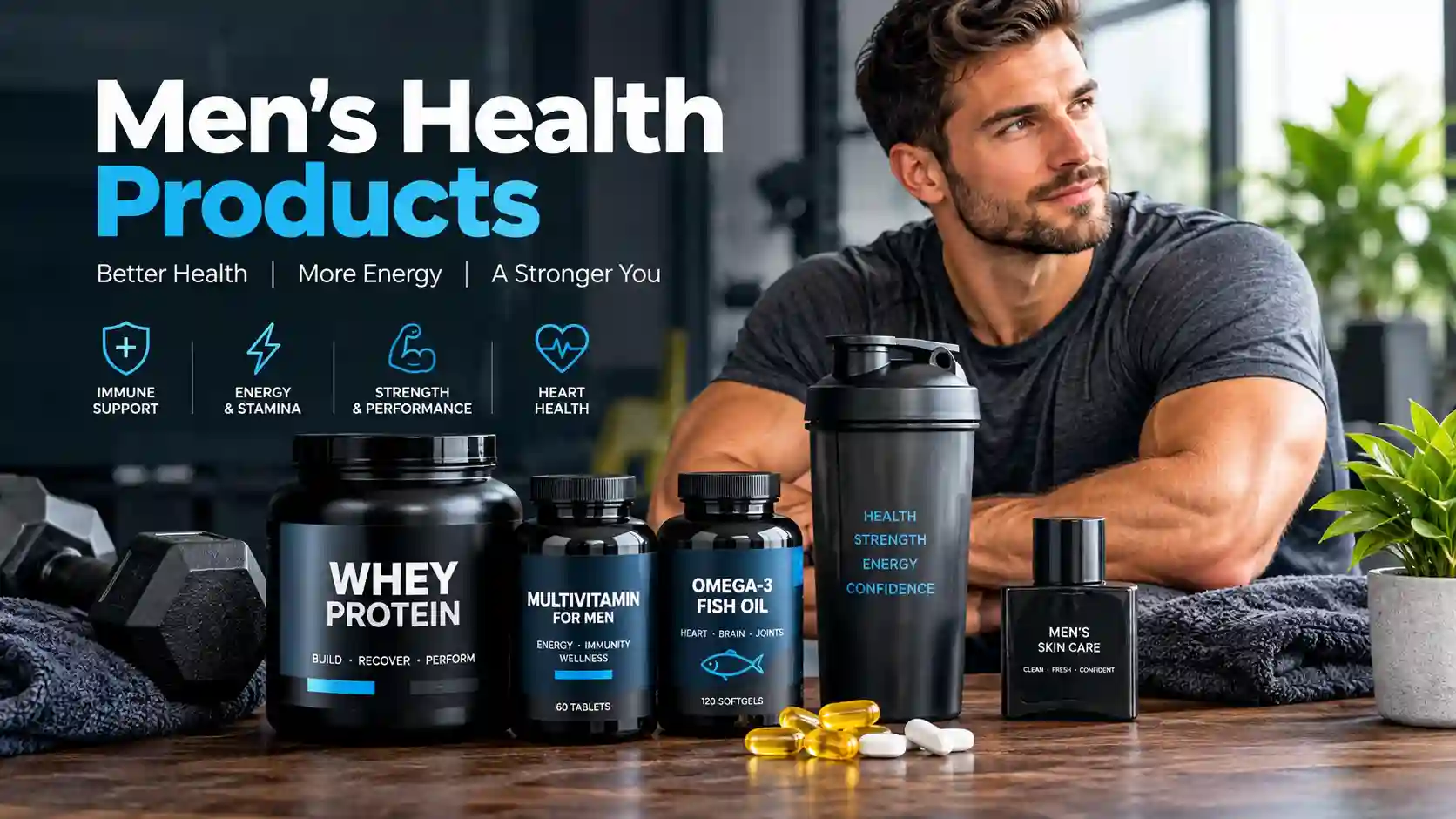
The modern man juggles a demanding career, family responsibilities, fitness goals, and an ever-growing list of daily obligations. Somewhere in the middle of all that hustle, personal health often takes a back seat. Fortunately, the market for men’s health products has expanded dramatically in recent years, offering everything from multivitamins and protein powders to skincare routines and stress-management supplements. But with so many options flooding the shelves — and the internet — how do you separate the genuinely beneficial from the overhyped?
This guide will walk you through a practical, no-nonsense approach to choosing the right men’s health products tailored to your unique everyday needs.
1. Start by Identifying Your Specific Health Goals
Before you buy a single product, take an honest inventory of where you stand. The biggest mistake men make is purchasing products based on marketing hype rather than personal necessity. Ask yourself the following questions:
- Energy levels: Do you feel sluggish by mid-afternoon?
- Physical fitness: Are you trying to build muscle, lose weight, or improve endurance?
- Sleep quality: Do you struggle to fall asleep or wake up feeling unrested?
- Stress and mental clarity: Is brain fog or anxiety affecting your productivity?
- Digestive health: Do you experience bloating, irregularity, or discomfort?
- Skin and grooming: Are you dealing with dryness, acne, or signs of aging?
- Sexual health: Have you noticed changes in libido or performance?
Once you pinpoint your top two or three concerns, you can narrow your focus and avoid wasting money on products that don’t address your real needs.
2. Understand the Major Categories of Men’s Health Products
Men’s health products span a wide spectrum. Here’s a breakdown of the most common categories and what they typically address:
Dietary Supplements
This is the broadest category and includes multivitamins, omega-3 fish oils, vitamin D, magnesium, zinc, and B-complex vitamins. These are designed to fill nutritional gaps in your diet.
Fitness and Performance Products
Protein powders (whey, casein, plant-based), creatine, branched-chain amino acids (BCAAs), and pre-workout formulas fall into this group. They support muscle recovery, strength, and stamina.
Hormonal and Sexual Health
Products containing ingredients like ashwagandha, fenugreek, D-aspartic acid, and maca root are marketed to support testosterone levels and sexual vitality.
Mental Wellness and Stress Relief
Adaptogens (such as rhodiola and ashwagandha), L-theanine, magnesium glycinate, and nootropic blends aim to reduce stress, sharpen focus, and improve mood.
Grooming and Skincare
Face washes, moisturizers with SPF, anti-aging serums, beard oils, and hair-loss treatments (like minoxidil or biotin supplements) address external health and appearance.
Digestive and Gut Health
Probiotics, digestive enzymes, and fiber supplements support a healthy gut microbiome, which is increasingly linked to overall well-being.
3. What to Look for in a Quality Product
Not all products are created equal. Here are the non-negotiable criteria you should use when evaluating any men’s health product:
Transparent Ingredient Lists
A reputable brand will clearly list every ingredient and its exact dosage on the label. Be wary of products that hide behind vague terms like “proprietary blend” without disclosing individual amounts. If you can’t tell how much of an active ingredient you’re getting, you can’t know if it’s effective.
Third-Party Testing and Certifications
Look for seals from independent organizations such as NSF International, USP (United States Pharmacopeia), Informed-Choice, or ConsumerLab. These certifications indicate that the product has been tested for purity, potency, and the absence of harmful contaminants like heavy metals or banned substances.
Clinically Studied Ingredients
The best products use ingredients backed by peer-reviewed research. For example, creatine monohydrate is one of the most thoroughly studied supplements in existence, with decades of evidence supporting its safety and efficacy. On the other hand, many “testosterone boosters” rely on ingredients with weak or inconclusive scientific support.
Appropriate Dosages
An ingredient may be effective at 500 mg but useless at 50 mg. Cross-reference the dosage on the label with published research to ensure you’re getting a clinically meaningful amount.
Minimal Fillers and Artificial Additives
Avoid products loaded with artificial colors, excessive sugars, hydrogenated oils, or unnecessary fillers. The cleaner the ingredient list, the better.
4. Common Mistakes to Avoid
Even well-intentioned men can fall into these traps:
- Buying based on celebrity endorsements alone. A famous face on the label doesn’t guarantee quality. Do your own research.
- Assuming “natural” means “safe.” Many natural ingredients can interact with medications or cause side effects at high doses.
- Stacking too many products at once. Introducing five new supplements simultaneously makes it impossible to know which one is working — or which one is causing side effects.
- Ignoring your diet. No supplement can outperform a consistently poor diet. Products should supplement your nutrition, not replace it.
- Chasing quick fixes. Real health improvements take weeks or months. Be skeptical of products promising overnight transformations.
5. Learn to Read Labels Like a Pro
Reading a product label shouldn’t require a chemistry degree, but a little knowledge goes a long way:
- Serving size: Check whether the recommended dose is one capsule or four. A product that looks affordable may actually require multiple servings per day.
- % Daily Value (%DV): This tells you how much of a nutrient one serving provides relative to the recommended daily intake. Values over 100% aren’t necessarily harmful but should be evaluated in context.
- Active vs. inactive ingredients: Active ingredients deliver the health benefit. Inactive ingredients (binders, coatings, preservatives) are necessary for manufacturing but shouldn’t dominate the list.
- Allergen warnings: If you have sensitivities to gluten, dairy, soy, or shellfish, always check for allergen statements.
6. Consult a Healthcare Professional
This step is arguably the most important — and the most overlooked. Before starting any new supplement regimen, especially if you take prescription medications, have a chronic condition, or are over the age of 40, talk to your doctor or a registered dietitian.
A simple blood test can reveal deficiencies in vitamin D, iron, B12, or testosterone, giving you a data-driven foundation for choosing products rather than relying on guesswork. Your healthcare provider can also flag potential interactions between supplements and medications that you might not be aware of.
7. Build a Simple, Sustainable Routine
The best men’s health routine is one you’ll actually stick with. Start small:
- Foundation: A high-quality multivitamin and omega-3 supplement.
- Targeted support: Add one or two products that address your top health concerns (e.g., magnesium for sleep, creatine for fitness).
- Grooming basics: A gentle face wash, moisturizer with SPF, and a product for any specific skin concern.
- Evaluate and adjust: After 6–8 weeks, assess how you feel. Keep what works, drop what doesn’t, and consult your doctor before adding anything new.
Consistency will always outperform complexity.
Final Thoughts
Choosing the right men’s health products doesn’t have to be overwhelming. By understanding your personal health goals, prioritizing quality and transparency, reading labels carefully, and seeking professional guidance when needed, you can build a product lineup that genuinely supports your everyday well-being.
Remember: your health is a long-term investment, not a sprint. The products you choose should empower you to feel stronger, sharper, and more resilient — not just today, but for years to come. Start with the basics, stay informed, and let your body’s response be your ultimate guide.